Different purification methods for different requirements
The choice of filtration technology is determined by your machining processes, material selection and contamination levels. To achieve effective process fluid filtration, the right equipment is required to minimise maintenance and maximise fluid service life.
Paper band filters
A versatile solution for gravity filtration that provides efficient particle separation. By selecting the correct filter paper, the filtration grade can be precisely adapted to your requirements for cutting fluid cleanliness.
Magnetic separators
A powerful method for separating magnetic metal particles down to micron level. This is a highly reliable and virtually maintenance-free solution, commonly used in demanding machining of cast iron and steel.
Combination filters
For applications with particularly high cleanliness requirements, we combine magnetic separators and paper band filters in a single system. This provides optimal overall purification and significantly extends the service life of the filter paper.
Chip centrifuges
Used to efficiently remove and recover cutting fluid from chips and sludge. This reduces waste and lowers your costs for new process fluid, while producing drier and more valuable chips.
Oil separators
Our oil separators effectively remove free-floating tramp oil (surface oil) that would otherwise degrade the emulsion. By keeping the fluid free from foreign oil, bacterial growth and unpleasant odours in the workshop are prevented.

Why Cutting Fluid Purification is Important
Clean Cutting Fluid Delivers Better Production and Lower Costs
During metalworking, cutting fluid is exposed to a harsh environment where chips, metal particles, bacteria, and oil residues quickly affect its quality. Without proper purification, both tool life and surface finish deteriorate, whilst machines accumulate increased deposits and wear. Clean cutting fluid doesn't just mean better machining—it's also central to keeping machines stable over time.
When contaminants increase in the system, it leads to shorter cutting fluid life, more stoppages, odour problems, corrosion, and deteriorated working environment. By purifying process fluid from particles, tramp oils, and other contaminants, you extend service life and reduce maintenance costs. With the right purification system, costs for disposal and unnecessary downtime are minimised.
Avoiding the replacement of 1 m³ of process fluid can be a real goldmine. By purifying the fluid so it can be reused is a reliable way to save money, improve the working environment, and reduce maintenance costs.
How Contaminants Arise in Cutting Fluid
What Happens in Contaminated Cutting Fluid?
During machining, cutting fluid is continuously contaminated by both particles and organic material. Chips, grinding dust, and metal particles mix into the fluid, whilst heat and oxygen contribute to bacterial growth and chemical degradation. When these contaminants build up, cooling, lubrication, and machine stability are affected. The result is higher tool costs, more stoppages, and shorter service life for both fluid and equipment.
Common contaminants and their effects:
- Chips and sediment – heavier particles that sink to the bottom and impair circulation
- Fine particulate dust – microparticles that float in the fluid and clog nozzles, pipes, and tanks
- Bacteria and microorganisms – cause odour, deteriorated fluid quality, and working environment problems
- Tramp oil and oil residues – affect pH, emulsion stability, and the fluid's lubrication properties
- Material mixing– machining different metals in the same system can create chemical instability and increased wear
Effective purification reduces the build-up of these contaminants and provides a smoother, more predictable, and cost-effective process.


The Need for Cutting Fluid Purification
Signs That Purification is Insufficient
The need for cutting fluid purification varies between different machining environments, but many problems only become apparent when the fluid has lost its function. Deteriorated quality, deposits, and increased stoppages are typical signs that purification is insufficient. By gaining control over cutting fluid cleanliness, both machining results and operational economy improve, whilst the working environment becomes safer and more predictable.
Common signs that purification needs improvement:
- Fluid changes colour, develops odour, or loses stability
- Deposits in tank, piping system, or on machine components
- Unusually high tool consumption or inconsistent machining results
- Recurring stoppages for cleaning tanks and filters
- Foaming or poor cooling/lubrication in the process
- Different materials machined with the same fluid creating chemical instability
- Operators experience skin irritation, odour problems, or contaminated working environment
Effective cutting fluid purification provides longer fluid life, fewer operational disruptions, and more stable processes throughout production.
Our Products for Cutting Oil and Process Fluid Filtration
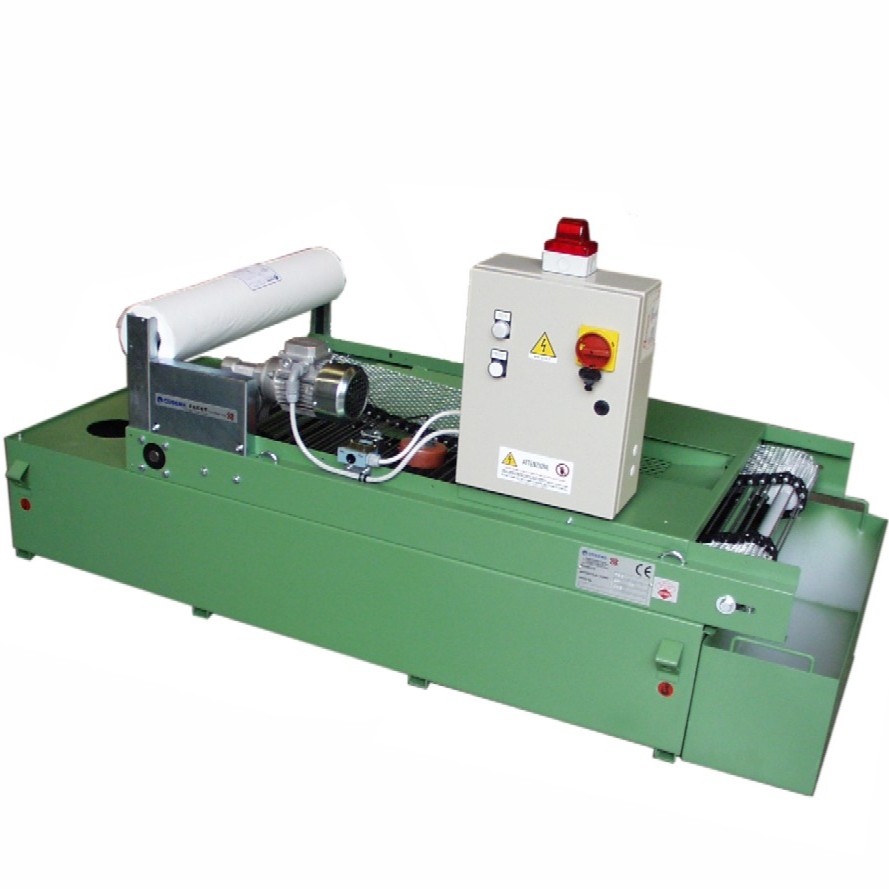
Flatbed Filter Type FB
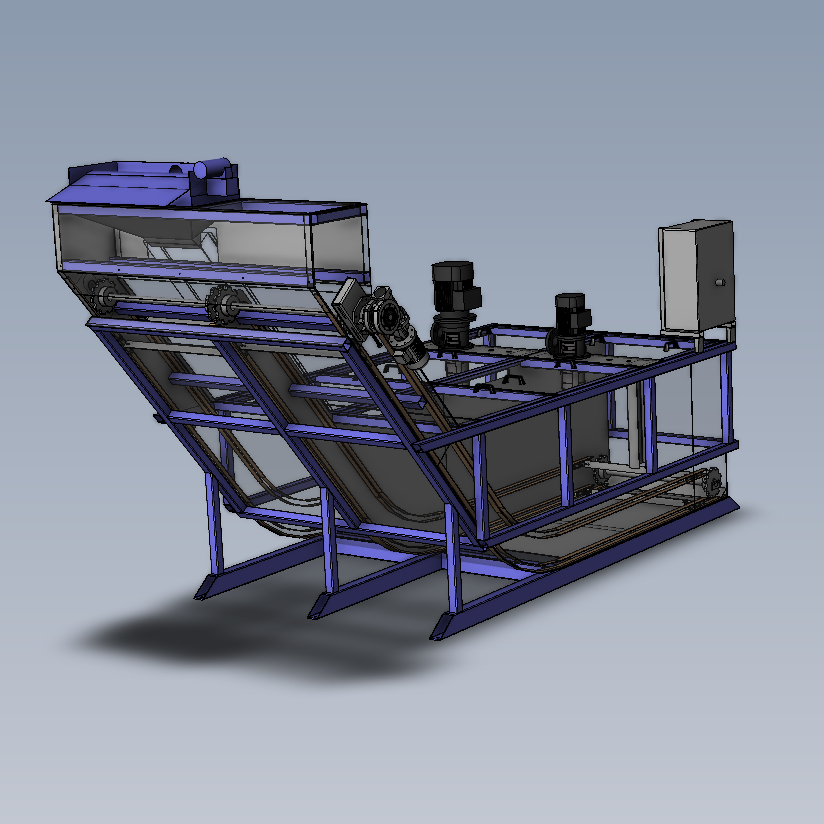
Special & Combination Filters
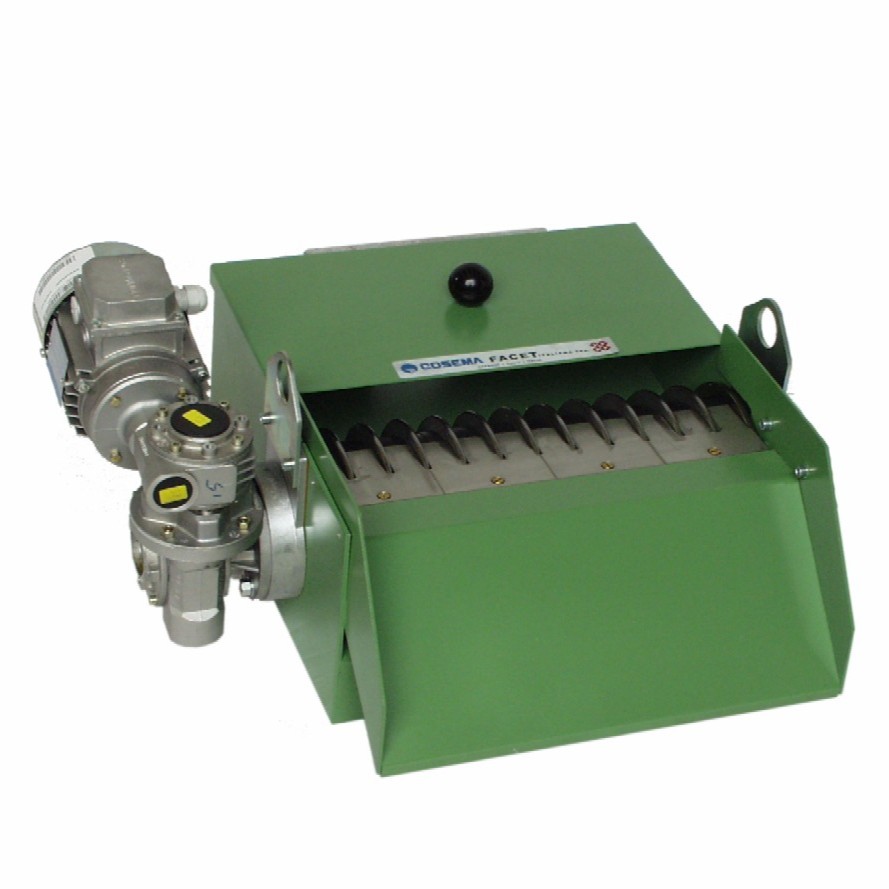
Magnetic Separator DMP Series
Contact Us
Want to Reduce Costs for Tools, Downtime, and Fluid Changes?
Let us help you find the right purification system